
Urbanization is one of the defining trends of the modern world. Every year, millions of people move from rural areas to urban centers in search of employment, education, healthcare, and improved living standards. As a result, mega cities—urban areas with populations exceeding ten million people—are growing rapidly across Asia, Africa, and Latin America. Cities such as Tokyo, Delhi, Shanghai, and São Paulo have become symbols of economic growth and modernization.
However, the rise of mega cities has also raised serious questions about sustainability. Can cities continue expanding without exhausting resources, increasing pollution, and reducing the quality of life for residents? The answer depends on how governments, industries, and communities respond to urban challenges in the coming decades.
The Growth of Mega Cities
The world is becoming increasingly urban. According to global development reports, more than half of the world’s population now lives in urban areas, and this percentage is expected to rise further. Mega cities attract people because they offer better economic opportunities, advanced infrastructure, and access to technology and services.
In developing countries, rapid urbanization is often linked to industrialization and population growth. Rural workers migrate to cities hoping for higher incomes and improved lifestyles. At the same time, globalization has strengthened urban economies by concentrating industries, financial institutions, and technological innovation in major metropolitan regions.
This rapid expansion has transformed cities into centers of culture, trade, and political influence. Yet the speed of urban growth frequently outpaces planning and infrastructure development.
Environmental Challenges
One of the biggest concerns surrounding mega cities is environmental sustainability. Dense populations consume large amounts of energy, water, and land. Transportation systems generate significant carbon emissions, while factories and vehicles contribute to air pollution.
Many mega cities struggle with waste management. Large quantities of garbage are produced daily, and inadequate disposal systems can contaminate land and water resources. Water shortages are another growing problem, particularly in regions facing climate change and population pressure.
Urban sprawl also threatens green spaces and biodiversity. Forests, wetlands, and agricultural lands are often replaced by highways, housing projects, and industrial zones. As natural ecosystems disappear, cities become more vulnerable to flooding, heat waves, and environmental degradation.
Economic Opportunities and Inequality
Mega cities are often engines of economic growth. They attract businesses, investors, and skilled workers, creating jobs and increasing productivity. Financial centers such as New York City and London demonstrate how urban concentration can strengthen national economies.
Despite these advantages, economic inequality remains a major challenge. Wealth is often unevenly distributed, leading to sharp contrasts between luxury neighborhoods and informal settlements. Many urban residents face high housing costs, unemployment, and limited access to healthcare or education.
In some mega cities, overcrowded slums have developed due to insufficient affordable housing. These areas frequently lack sanitation, clean water, and reliable electricity, creating difficult living conditions for millions of people.
Transportation and Infrastructure
Transportation is another critical issue in urban sustainability. Mega cities rely heavily on roads, buses, trains, and airports to move people and goods efficiently. However, traffic congestion has become a common problem in many urban centers.
Long commuting times increase fuel consumption and air pollution while reducing productivity and quality of life. Aging infrastructure can also place pressure on public services such as electricity, sewage systems, and public transportation networks.
Some cities are investing in sustainable transport solutions, including electric buses, metro systems, cycling lanes, and smart traffic management technologies. These innovations can reduce emissions and improve urban mobility if implemented effectively.
Smart Cities and Sustainable Solutions
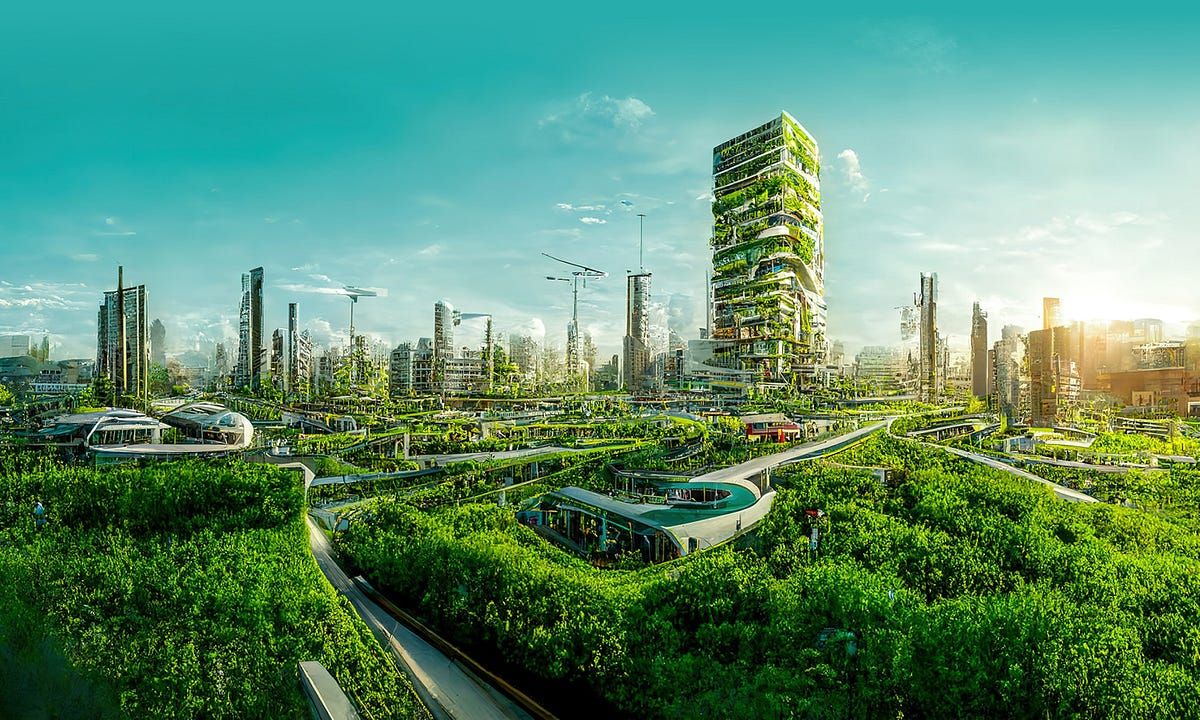
To address urban challenges, many governments are promoting the concept of “smart cities.” Smart cities use digital technology, data analysis, and sustainable planning to improve efficiency and quality of life.
Renewable energy systems, energy-efficient buildings, and green public spaces are becoming central to modern urban planning. Cities are also encouraging recycling programs, public transportation, and environmentally friendly construction methods.
For example, Singapore is widely recognized for its urban greenery and efficient infrastructure, while Copenhagen has invested heavily in cycling networks and clean energy initiatives. These examples show that sustainability is possible when long-term planning and environmental policies are prioritized.
Social and Cultural Impacts
Mega cities are not only economic centers but also cultural hubs. They bring together diverse populations, encouraging creativity, innovation, and cultural exchange. Universities, museums, entertainment industries, and technological startups often flourish in urban environments.
At the same time, rapid urbanization can weaken community ties and increase social stress. Overcrowding, noise, crime, and rising living costs may negatively affect mental and physical health. Maintaining social inclusion and equal access to opportunities is essential for creating livable cities.
Governments must therefore balance economic growth with social welfare, ensuring that urban development benefits all residents rather than a small portion of the population.
Are Mega Cities Sustainable?
Mega cities can be sustainable, but only with careful planning and responsible governance. Sustainability requires balancing economic development, environmental protection, and social equity. Without effective policies, urban growth may lead to resource depletion, pollution, and widening inequality.
Future urban success will depend on investments in green infrastructure, renewable energy, affordable housing, efficient transportation, and climate resilience. Public participation and international cooperation will also play important roles in shaping sustainable urban futures.
Rather than viewing mega cities as problems alone, they can also be seen as opportunities for innovation and progress. If managed wisely, mega cities may become models for sustainable living in the twenty-first century.
Conclusion
Urbanization is reshaping the world at an unprecedented pace. Mega cities offer enormous economic and cultural advantages, but they also face serious environmental and social challenges. Sustainability is not guaranteed; it depends on how cities are planned, governed, and supported.
The future of urban life will require smarter infrastructure, greener policies, and stronger social systems. As populations continue to grow, the sustainability of mega cities will remain one of the most important global issues of our time.
Frequently Asked Questions (FAQs)
What is a mega city?
A mega city is an urban area with a population of more than ten million people. These cities are major centers of economic activity, culture, and transportation.
Why are mega cities growing rapidly?
Mega cities are expanding because people migrate from rural areas in search of jobs, education, healthcare, and better living conditions. Population growth and industrial development also contribute to urban expansion.
What are the main environmental problems in mega cities?
Common environmental challenges include air pollution, traffic congestion, waste management issues, water shortages, and loss of green spaces.
Can mega cities become environmentally sustainable?
Yes, mega cities can improve sustainability through renewable energy, efficient public transport, smart urban planning, recycling programs, and green infrastructure.
What is a smart city?
A smart city uses technology and data to improve urban services such as transportation, energy use, public safety, and environmental management.
How does urbanization affect society?
Urbanization can create economic opportunities and cultural diversity, but it may also increase inequality, overcrowding, and pressure on public services.
Which cities are considered successful examples of sustainability?
Cities like Singapore and Copenhagen are often recognized for sustainable urban planning and environmental initiatives.
Why is sustainable urban planning important?
Sustainable planning helps cities manage population growth while protecting the environment, improving quality of life, and ensuring long-term economic stability.