

Education has long been considered the foundation of progress, equality, and innovation. Yet in today’s digital age, education systems around the world are facing unprecedented challenges. Traditional classrooms struggle to keep pace with technological change, students are overwhelmed by information overload, and inequalities in access to quality learning continue to widen. The global shift toward digital learning, accelerated by the COVID-19 pandemic, exposed both the strengths and weaknesses of modern education systems.
The crisis in education is no longer just about outdated textbooks or overcrowded classrooms. It is about relevance, accessibility, mental well-being, and the ability of institutions to prepare students for a rapidly changing world. As technology transforms industries and societies, learning itself must be reimagined.
The Changing Nature of Learning
For centuries, education followed a relatively fixed structure: students attended schools, teachers delivered lectures, and exams measured understanding. In the digital era, this model is increasingly being questioned. Information is no longer confined to libraries or classrooms. A student with internet access can learn coding, languages, business, or science from online platforms at any time.
However, this abundance of information creates new problems. Many students struggle to distinguish reliable knowledge from misinformation. Attention spans are shrinking due to social media and constant digital distractions. Instead of encouraging deep understanding, some forms of digital learning promote quick consumption of fragmented content.
Learning today must focus less on memorization and more on critical thinking, creativity, collaboration, and adaptability. These skills are essential in a world where technology evolves faster than traditional curricula.
The Digital Divide
One of the greatest challenges in modern education is inequality in access to technology. While some students enjoy high-speed internet, advanced devices, and online tutoring, millions of others lack even basic digital resources.
The digital divide is not only a technological issue but also a social and economic one. Students in rural or low-income communities often face barriers that prevent them from participating fully in online education. During school closures caused by the pandemic, many learners fell behind simply because they lacked stable internet access or personal computers.
Without addressing these inequalities, digital education risks increasing the gap between privileged and disadvantaged students rather than reducing it.
Mental Health and Student Pressure
The modern education system often places intense pressure on students to achieve high grades and compete academically. In the digital age, this pressure is amplified by constant comparison on social media and the expectation to remain continuously productive.
Online learning has also contributed to feelings of isolation and burnout for many students. Human interaction, classroom discussion, and emotional support are difficult to replace with screens and virtual meetings. As a result, anxiety, stress, and depression among students have become growing concerns worldwide.
Educational reform must therefore include mental health support as a central component rather than treating it as a secondary issue.
The Role of Teachers in the Digital Era
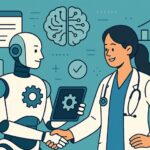
Technology is changing the role of teachers, but it cannot fully replace them. Artificial intelligence, online courses, and educational apps can provide information efficiently, yet teachers remain essential for guidance, motivation, and emotional connection.
In the digital age, teachers are no longer just providers of knowledge. They are mentors who help students think critically, solve problems, and navigate complex information. This shift requires better teacher training and support so educators can effectively integrate technology into classrooms.
Rather than fearing technology, schools should use it to enhance personalized learning and improve educational experiences.
Rethinking the Purpose of Education
A major question facing society today is: What is education truly for?
In many systems, success is still measured mainly through exams and standardized testing. Yet employers increasingly value communication skills, creativity, emotional intelligence, and practical experience. Education must evolve beyond producing GED Practice Test PDF scores and instead prepare students for real-world challenges.
Future-focused education should encourage curiosity, lifelong learning, and ethical responsibility. Students need to understand not only how to use technology but also how technology affects society, privacy, employment, and human relationships.
Solutions for the Future
Addressing the crisis in education requires cooperation among governments, educators, parents, and technology companies. Investment in digital infrastructure is essential to ensure equal access to learning opportunities. Schools should also redesign curricula to emphasize critical thinking, digital literacy, and problem-solving skills.
Blended learning models that combine online tools with face-to-face interaction may offer a balanced approach. Such systems can provide flexibility while maintaining the social benefits of classroom learning.
Equally important is creating supportive educational environments that prioritize student well-being alongside academic achievement.
Conclusion
Education is at a turning point. The digital age offers extraordinary opportunities for learning, innovation, and global connection, but it also exposes deep weaknesses in traditional systems. If societies continue relying on outdated educational models, future generations may struggle to adapt to the demands of a rapidly changing world.
Rethinking education is not simply about adding more technology to classrooms. It is about redefining how knowledge is shared, how students learn, and what skills truly matter in the modern era. By focusing on accessibility, critical thinking, mental health, and lifelong learning, education can become more inclusive, relevant, and effective for the challenges ahead.
FAQs
What is the education crisis in the digital age?
The education crisis refers to the growing mismatch between traditional education systems and the demands of the modern digital world. It includes issues such as outdated teaching methods, unequal access to technology, and rising mental health concerns among students.
Why is digital learning important today?
Digital learning provides flexibility, accessibility, and opportunities for personalized education. It allows students to access knowledge from anywhere and develop skills needed in a technology-driven world.
What is the digital divide in education?
The digital divide refers to unequal access to technology and internet connectivity. Students without proper digital resources often face disadvantages in online learning environments.
Can technology replace teachers?
No, technology cannot fully replace teachers. While digital tools can improve access to information, teachers play a critical role in mentoring, motivating, and guiding students.
How can education systems improve in the future?
Education systems can improve by investing in technology access, updating curricula, supporting teachers, promoting mental health, and focusing on practical skills such as critical thinking and creativity.
Why is mental health important in education?
Mental health directly affects students’ ability to learn, focus, and succeed academically. Supportive learning environments help reduce stress, anxiety, and burnout among students.