

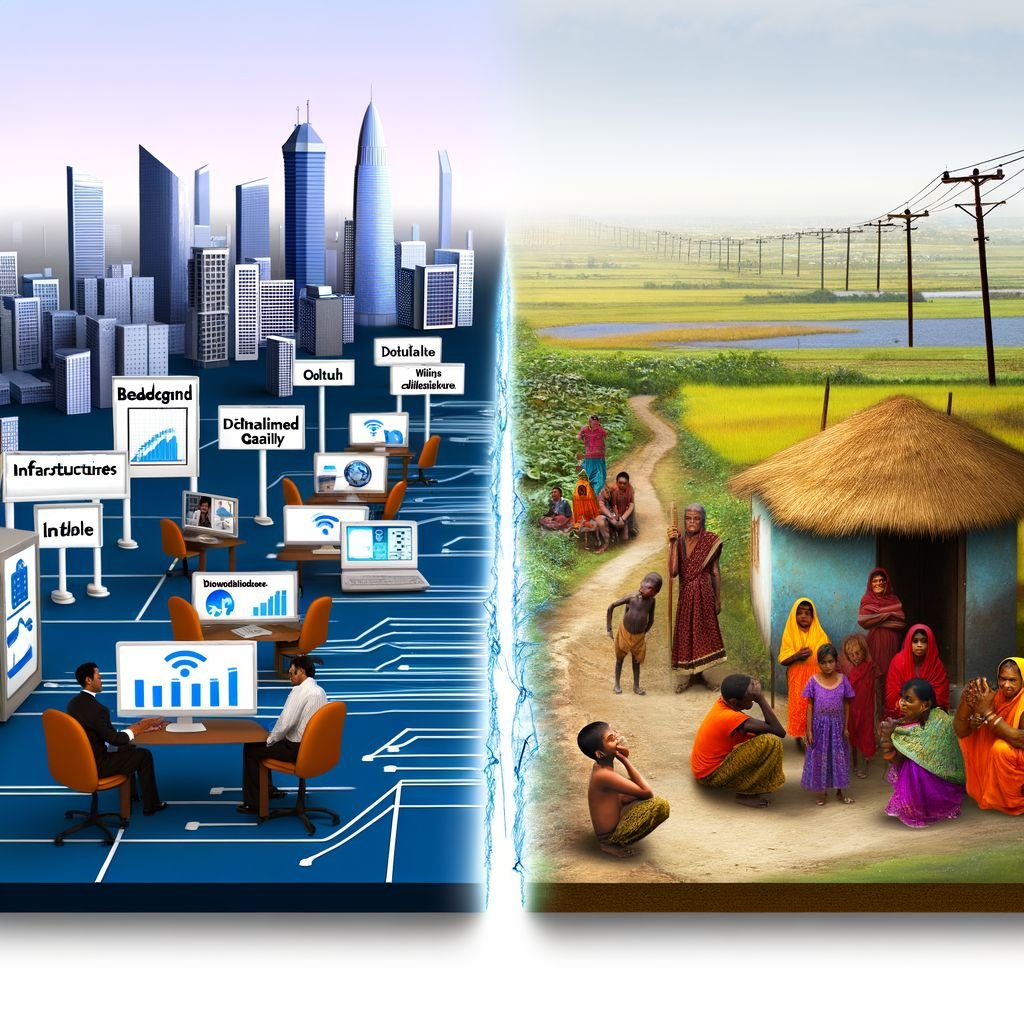
The rapid advancement of digital technology has transformed the way people communicate, learn, work, and access information. The internet, smartphones, and digital services have become essential tools for economic growth and social development. However, not all countries and communities benefit equally from these technological advancements. The unequal access to digital technologies and internet connectivity is known as the digital divide. This divide creates significant disparities between nations, limiting opportunities for millions of people worldwide.
Bridging the digital divide has become a global priority because access to technology is increasingly linked to education, employment, healthcare, and economic prosperity. Reducing this gap can promote inclusive growth and help nations participate more effectively in the global economy.
Understanding the Digital Divide
The digital divide refers to the gap between individuals, communities, and countries that have access to modern information and communication technologies and those that do not. It encompasses differences in internet connectivity, digital literacy, access to devices, and the ability to use technology effectively.
While developed nations often enjoy widespread access to high-speed internet and advanced digital infrastructure, many developing countries struggle with limited connectivity, inadequate technological resources, and insufficient digital skills. As a result, the benefits of the digital age are distributed unevenly across the world.
Causes of the Digital Divide
Economic Inequality
One of the primary causes of the digital divide is economic disparity. Wealthier nations can invest heavily in technological infrastructure, while poorer countries may lack the financial resources needed to expand internet access and digital services. High costs of devices and internet subscriptions can also prevent individuals from accessing technology.
Limited Infrastructure
Many developing regions lack the necessary infrastructure to support reliable internet connectivity. Rural and remote areas often face challenges such as inadequate telecommunications networks, unstable electricity supplies, and limited broadband coverage.
Educational Barriers
Digital literacy plays a crucial role in technology adoption. Even when internet access is available, individuals may not possess the skills required to use digital tools effectively. Educational inequalities therefore contribute significantly to the digital divide.
Geographic Challenges
Geographic isolation can make it difficult and expensive to provide internet services to certain areas. Mountainous regions, deserts, and remote islands often experience lower levels of connectivity compared to urban centers.
Policy and Regulatory Issues
Government policies and regulations can influence the development of digital infrastructure. Countries with supportive policies and investments in technology tend to achieve greater digital inclusion than those with restrictive regulations or limited public investment.
Impact of the Digital Divide
Education
The digital divide significantly affects educational opportunities. Students without internet access may struggle to participate in online learning, access educational resources, or develop digital skills. This disadvantage became particularly evident during the COVID-19 pandemic, when many schools shifted to virtual learning.
Economic Development
Digital technologies contribute to economic growth by improving productivity, facilitating innovation, and creating new business opportunities. Countries with limited digital access may find it difficult to compete in the global economy, leading to slower economic development.
Healthcare
Telemedicine, electronic health records, and online health information have improved healthcare delivery in many regions. However, populations without reliable internet access may be unable to benefit from these advancements, resulting in unequal healthcare outcomes.
Employment Opportunities
Many jobs now require digital skills and internet access. Individuals affected by the digital divide may face barriers to employment, remote work opportunities, and online professional development.
Social Inclusion
Technology enables people to connect with others, access government services, and participate in civic activities. Lack of digital access can lead to social exclusion and reduced participation in modern society.
Strategies for Bridging the Digital Divide
Expanding Internet Infrastructure
Governments and private companies can work together to improve broadband coverage and telecommunications infrastructure, particularly in rural and underserved areas. Investments in fiber-optic networks, mobile connectivity, and satellite internet can help increase access.
Improving Digital Literacy
Education and training programs are essential for helping individuals develop the skills needed to use digital technologies effectively. Schools, community centers, and online platforms can provide digital literacy training for people of all ages.
Reducing Costs
Affordable internet services and low-cost digital devices can make technology more accessible to disadvantaged populations. Subsidies, public-private partnerships, and competitive markets can help lower costs.
Encouraging International Cooperation
International organizations, governments, and technology companies can collaborate to share resources, expertise, and funding. Global partnerships can support digital development projects in less developed countries.
Promoting Inclusive Policies
Governments can implement policies that encourage digital inclusion and ensure equal access to technology. Such policies may focus on expanding connectivity, supporting digital education, and protecting digital rights.
The Role of International Organizations
International organizations play an important role in addressing the digital divide. Agencies such as the United Nations, World Bank, and International Telecommunication Union support initiatives that promote internet access, digital literacy, and technological development in underserved regions.
These organizations provide funding, technical assistance, and policy guidance to help countries build digital infrastructure and improve access to technology. Their efforts contribute to creating a more connected and equitable world.
Future Outlook
As technology continues to evolve, bridging the digital divide will remain a critical challenge. Emerging technologies such as artificial intelligence, cloud computing, and advanced communication networks offer tremendous opportunities but may also widen existing inequalities if access remains uneven.
Ensuring that all nations can participate in the digital economy will require sustained investment, international cooperation, and a commitment to digital inclusion. By addressing barriers to access and education, countries can work toward a future where the benefits of technology are shared more equitably.
Conclusion
The digital divide represents one of the most significant challenges of the modern era. Differences in access to technology, internet connectivity, and digital skills create inequalities that affect education, healthcare, employment, and economic development. Bridging this gap requires coordinated efforts from governments, international organizations, businesses, and communities. By expanding infrastructure, improving digital literacy, and promoting inclusive policies, nations can create a more connected world where everyone has the opportunity to benefit from technological progress.
Frequently Asked Questions (FAQs)
What is the digital divide?
The digital divide is the gap between individuals, communities, or countries that have access to digital technologies and those that do not.
What causes the digital divide?
Major causes include economic inequality, lack of infrastructure, limited digital literacy, geographic barriers, and inadequate government policies.
How does the digital divide affect education?
Students without internet access or digital devices may have difficulty accessing online learning resources and educational opportunities.
Why is bridging the digital divide important?
Reducing the digital divide promotes economic growth, social inclusion, educational opportunities, and equal access to information and services.
What role do governments play in reducing the digital divide?
Governments can invest in infrastructure, promote digital literacy, create inclusive policies, and support affordable internet access.
How can international organizations help bridge the digital divide?
They provide funding, technical expertise, policy guidance, and support for digital development projects in underserved regions.
Can the digital divide be completely eliminated?
While completely eliminating the divide may be challenging, significant progress can be achieved through sustained investment, cooperation, and technological innovation.