
The world’s oceans are facing one of the greatest environmental crises in modern history. Covering more than 70 percent of the Earth’s surface, oceans play a critical role in regulating climate, supporting biodiversity, and sustaining human life. They provide food, transportation, employment, and oxygen while absorbing large amounts of carbon dioxide from the atmosphere.
However, decades of pollution, overconsumption, industrial waste, and environmental neglect have placed marine ecosystems under severe pressure. Plastic debris, oil spills, chemical contamination, and untreated waste continue to damage ocean health at alarming rates. Scientists and environmental organizations warn that if immediate action is not taken, the long-term consequences could be devastating for both marine life and human societies.
Despite the seriousness of the crisis, many experts believe the damage can still be reduced or partially reversed through global cooperation, technological innovation, and sustainable environmental policies.
Understanding Ocean Pollution
Ocean pollution refers to harmful substances and waste entering marine environments. Pollution originates from multiple sources, including industrial activities, agriculture, shipping, urban waste, and household consumption.
Much of the pollution entering oceans comes from land-based activities. Rivers, drainage systems, and coastal cities transport large quantities of waste into marine ecosystems every day.
Human activity has accelerated pollution levels significantly over the last century, making ocean contamination a global environmental challenge rather than a local issue.
Plastic Pollution: The Most Visible Threat
Growth of Plastic Waste
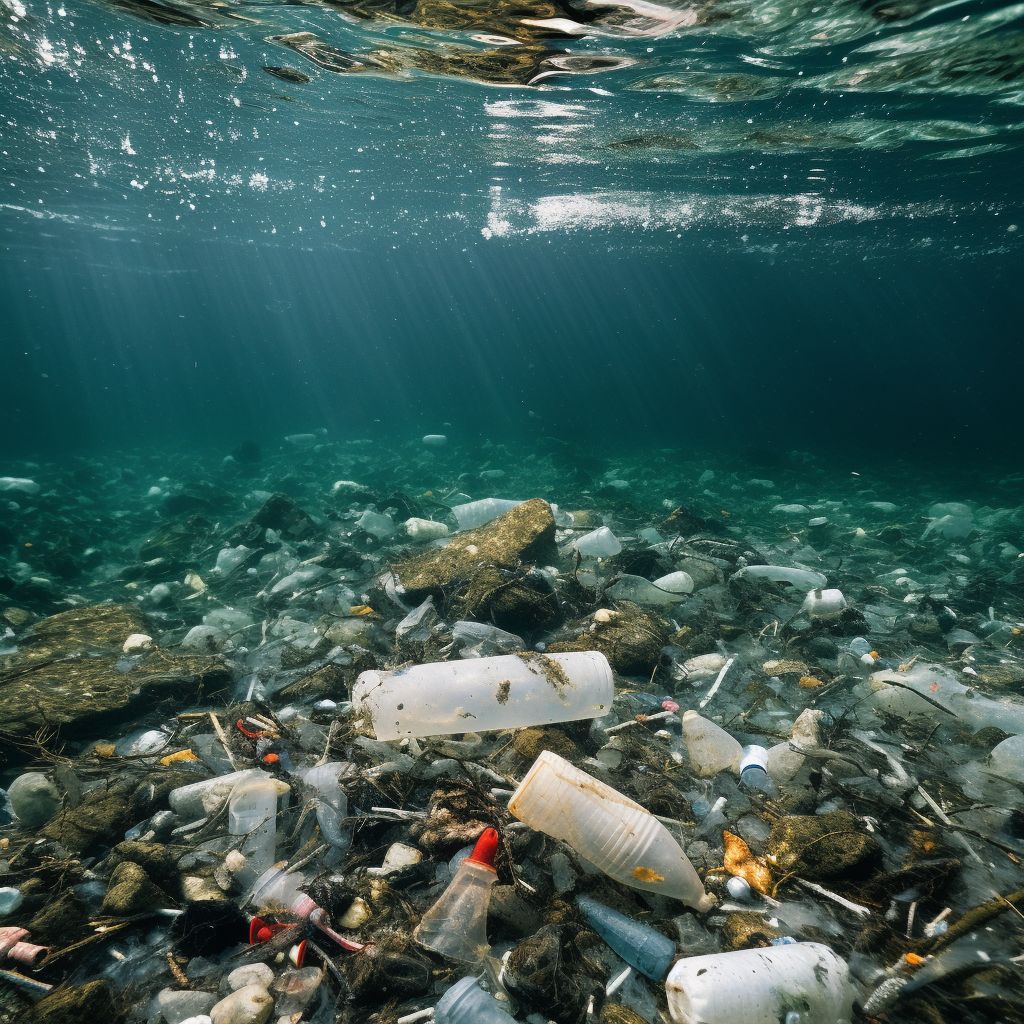
Plastic pollution has become one of the most recognizable forms of ocean contamination. Millions of tons of plastic waste enter oceans annually, including bottles, bags, fishing nets, packaging materials, and microplastics.
Because plastic decomposes very slowly, it can remain in marine environments for hundreds of years.
Harm to Marine Life
Marine animals often mistake plastic for food or become trapped in discarded waste. Sea turtles, fish, seabirds, and whales may suffer injuries, starvation, or death due to plastic ingestion and entanglement.
Microplastics have also entered the marine food chain, raising concerns about potential effects on human health through seafood consumption.
Impact on Ecosystems
Plastic debris damages coral reefs, pollutes coastlines, and disrupts marine habitats. Large concentrations of floating waste, sometimes called garbage patches, have formed in major ocean regions due to ocean currents.
Chemical and Industrial Pollution
Industrial waste and chemical runoff are major contributors to ocean degradation. Factories, mining operations, and agricultural activities release toxic substances such as heavy metals, pesticides, and fertilizers into waterways.
Excessive fertilizer runoff often leads to algal blooms, which reduce oxygen levels in the water and create “dead zones” where marine life cannot survive.
Oil spills from shipping accidents and offshore drilling also cause severe environmental damage, affecting marine ecosystems for years or even decades.
Climate Change and Ocean Health
Climate change is closely linked to ocean pollution and environmental decline.
Ocean Warming
Rising global temperatures increase ocean temperatures, threatening marine biodiversity and coral reef systems. Warmer waters also affect fish migration and breeding patterns.
Ocean Acidification
As oceans absorb carbon dioxide from the atmosphere, seawater becomes more acidic. This process weakens coral reefs and shell-forming organisms, disrupting marine ecosystems.
Rising Sea Levels
Melting glaciers and thermal expansion contribute to rising sea levels, threatening coastal communities and increasing vulnerability to flooding and storms.
Climate change intensifies many existing ocean pollution problems, making environmental recovery more difficult.
Economic and Human Consequences
Ocean pollution affects not only ecosystems but also economies and public health.
Threats to Fisheries
Polluted waters reduce fish populations and damage fishing industries that millions of people rely on for income and food security.
Impact on Tourism
Coastal pollution harms tourism by damaging beaches, coral reefs, and marine attractions. This can negatively affect local economies dependent on tourism industries.
Human Health Risks
Contaminated seafood, polluted water, and toxic chemicals can create health risks for humans. Microplastics and chemical pollutants entering the food chain remain major scientific concerns.
Can the Damage Be Reversed?
Reducing Plastic Consumption
One of the most effective solutions involves reducing single-use plastics and improving recycling systems. Governments and companies are increasingly introducing bans on plastic bags, straws, and non-recyclable packaging.
Consumers can also contribute by using reusable products and supporting environmentally responsible businesses.
Improving Waste Management
Better waste collection and sewage treatment systems can prevent large amounts of pollution from entering oceans. Developing countries, in particular, may require greater investment in environmental infrastructure.
International Cooperation
Ocean pollution is a global issue that requires international agreements and coordinated action. Countries must work together to regulate pollution, protect marine biodiversity, and reduce greenhouse gas emissions.
Marine Conservation Efforts
Protected marine areas, coral reef restoration projects, and sustainable fishing policies can help ecosystems recover over time.
Scientists are also developing technologies to remove plastic waste from oceans and improve environmental monitoring systems.
Public Awareness and Education
Environmental education and awareness campaigns play a critical role in changing consumer behavior and encouraging sustainable lifestyles.
Social movements and environmental activism have already increased public pressure on governments and corporations to take stronger action.
The Role of Technology and Innovation
Technological innovation offers new opportunities to address ocean pollution. Artificial intelligence, satellite monitoring, biodegradable materials, and advanced recycling technologies are helping researchers and governments better understand and manage environmental threats.
Renewable energy systems may also reduce dependence on fossil fuels, lowering pollution and climate-related risks over time.
While technology alone cannot solve the crisis, it can support broader environmental strategies and sustainable development goals.
Conclusion
The ocean pollution crisis represents one of the most urgent environmental challenges facing humanity today. Plastic waste, chemical contamination, climate change, and industrial activities continue to threaten marine ecosystems and human well-being.
Although the damage is severe, experts believe meaningful progress is still possible. Through international cooperation, stronger environmental policies, technological innovation, and individual responsibility, societies can reduce pollution and support ocean recovery.
Protecting the oceans is not only essential for marine life but also for the future stability of global ecosystems, economies, and human health.
FAQs
What is ocean pollution?
Ocean pollution refers to harmful waste, chemicals, plastics, and other contaminants entering marine environments and damaging ecosystems.
What is the biggest source of ocean pollution?
Plastic waste is one of the largest and most visible sources of ocean pollution, though industrial chemicals and agricultural runoff are also major contributors.
How does plastic harm marine life?
Marine animals may eat plastic or become trapped in it, leading to injury, starvation, suffocation, or death.
What are microplastics?
Microplastics are tiny plastic particles created from the breakdown of larger plastics or manufactured in small sizes for industrial use.
Can polluted oceans recover?
Yes, some marine ecosystems can recover if pollution is reduced and conservation efforts are maintained over time.
How does climate change affect oceans?
Climate change causes ocean warming, acidification, rising sea levels, and disruptions to marine ecosystems.
Why are coral reefs important?
Coral reefs support marine biodiversity, protect coastlines from storms, and contribute to fishing and tourism industries.
What can individuals do to reduce ocean pollution?
People can reduce plastic use, recycle properly, support sustainable products, participate in clean-up efforts, and conserve water and energy.
Are governments taking action against ocean pollution?
Many governments are introducing environmental regulations, plastic bans, and marine protection programs, though progress varies globally.
Why is ocean conservation important for humans?
Healthy oceans provide food, oxygen, climate regulation, employment, and economic stability for billions of people worldwide.