

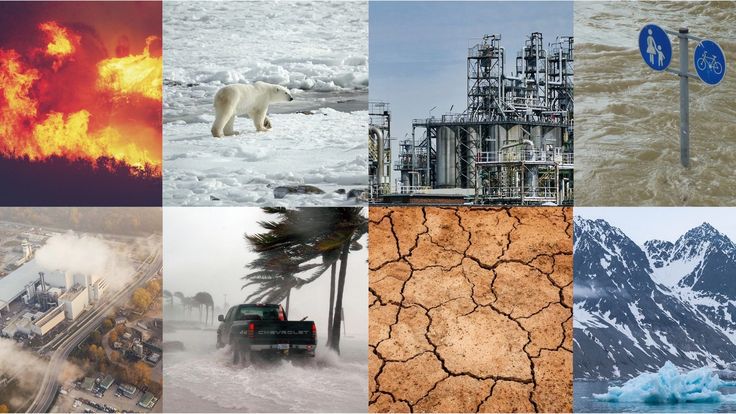
By 2026, climate change is no longer a distant threat—it is a lived reality across the globe. From record-breaking heatwaves to intensified floods and rising sea levels, the consequences of a warming planet are increasingly visible. Governments have spent decades negotiating agreements, setting targets, and introducing policies aimed at reducing greenhouse gas emissions. Yet the central question remains: are these efforts enough to match the scale and urgency of the crisis?
This article explores the current state of global climate action, the progress made, the gaps that persist, and whether governments are truly keeping pace with what science demands.
The State of Climate Change in 2026
Scientific consensus continues to warn that global temperatures are approaching critical thresholds. The goal of limiting warming to 1.5°C above pre-industrial levels is becoming harder to achieve with each passing year. Extreme weather events have increased in both frequency and intensity, affecting food systems, water availability, and human health.
Many regions, especially in the Global South, are already experiencing severe climate impacts despite contributing relatively little to global emissions. This imbalance has intensified debates around climate justice and responsibility.
Government Commitments: Promises vs. Reality
Over the years, governments have introduced climate pledges through international agreements and national policies. Net-zero targets, often set for mid-century, have become common. However, there is a noticeable gap between commitments and actual implementation.
While some countries have made measurable progress in reducing emissions, others continue to rely heavily on fossil fuels. In many cases, policies lack enforcement mechanisms, and short-term economic interests often override long-term environmental goals.
Another issue is the reliance on future technologies, such as carbon capture, to meet targets. While promising, these technologies are not yet scalable enough to justify delaying immediate emission reductions.
Progress Worth Noting
Despite the challenges, there have been meaningful advances. Renewable energy adoption has accelerated significantly, with solar and wind power becoming more affordable and widespread. Electric vehicles are gaining market share, and many cities are investing in sustainable infrastructure.
Some governments have introduced carbon pricing systems, incentivizing industries to reduce emissions. Others have committed to ending deforestation or transitioning away from coal. These steps indicate that progress is possible when political will aligns with scientific guidance.
Persistent Challenges
Economic Pressures
Many governments face competing priorities, such as economic growth, energy security, and political stability. Transitioning to a low-carbon economy requires substantial investment, which can be difficult for developing nations without financial support.
Political Resistance
Climate policies often face opposition from industries and political groups that fear economic disruption. Changes in leadership can also reverse progress, making long-term climate strategies vulnerable to short-term politics.
Inequality and Climate Justice
Developing countries argue that wealthier nations, which historically contributed the most emissions, should bear a greater share of the responsibility. Climate finance—funding provided to help poorer countries adapt and transition—remains insufficient.
Are Governments Moving Fast Enough?
In short, most evidence suggests they are not. While efforts have increased, they are still not aligned with the urgency outlined by climate science. Emissions reductions are happening, but not at the scale or speed required to prevent the most severe outcomes.
Incremental progress, though valuable, may not be enough. Experts emphasize the need for transformative changes in energy systems, agriculture, transportation, and consumption patterns.
The Role of International Cooperation
Climate change is a global problem that requires collective action. International cooperation has improved over the years, but tensions remain. Disagreements over responsibility, funding, and timelines continue to slow progress.
Multilateral agreements provide a framework, but their effectiveness depends on national implementation. Without accountability mechanisms, many commitments risk remaining symbolic rather than impactful.
The Way Forward
To bridge the gap between ambition and action, governments must prioritize:
- Stronger policy enforcement
- Increased investment in clean energy
- Phasing out fossil fuel subsidies
- Expanding climate finance for vulnerable nations
- Encouraging private sector participation
Public pressure and awareness are also crucial. Citizens, businesses, and local governments all play a role in pushing national leaders toward more decisive action.
Conclusion
In 2026, the global response to climate change is at a critical juncture. Governments have taken important steps, but the pace and scale of action remain insufficient. The window to avoid the most catastrophic impacts is narrowing, and the decisions made in the next decade will likely shape the future of the planet.
The question is no longer whether action is needed, but whether governments are willing to act boldly enough—and soon enough—to meet the challenge.
FAQs
What is the biggest challenge governments face in tackling climate change?
One of the biggest challenges is balancing economic growth with environmental sustainability. Transitioning away from fossil fuels requires significant investment and structural changes, which can be politically and economically difficult.
Are renewable energy sources enough to solve climate change?
Renewables are a crucial part of the solution, but they are not enough on their own. Broader changes in energy use, infrastructure, and consumption habits are also necessary.
Why is climate finance important?
Climate finance helps developing countries adapt to climate impacts and invest in cleaner technologies. Without it, global efforts will remain uneven and less effective.
What does “net zero” mean?
Net zero refers to balancing the amount of greenhouse gases emitted with the amount removed from the atmosphere. It does not necessarily mean zero emissions, but rather achieving an overall neutral impact.
Can individual actions make a difference?
Yes, individual actions can contribute to emissions reduction and influence policy through public pressure. However, systemic change driven by governments and industries is essential for large-scale impact.
What happens if governments fail to act in time?
Failure to act could lead to more severe climate impacts, including extreme weather, food shortages, displacement, and economic instability. The longer action is delayed, the more difficult and costly solutions become.