

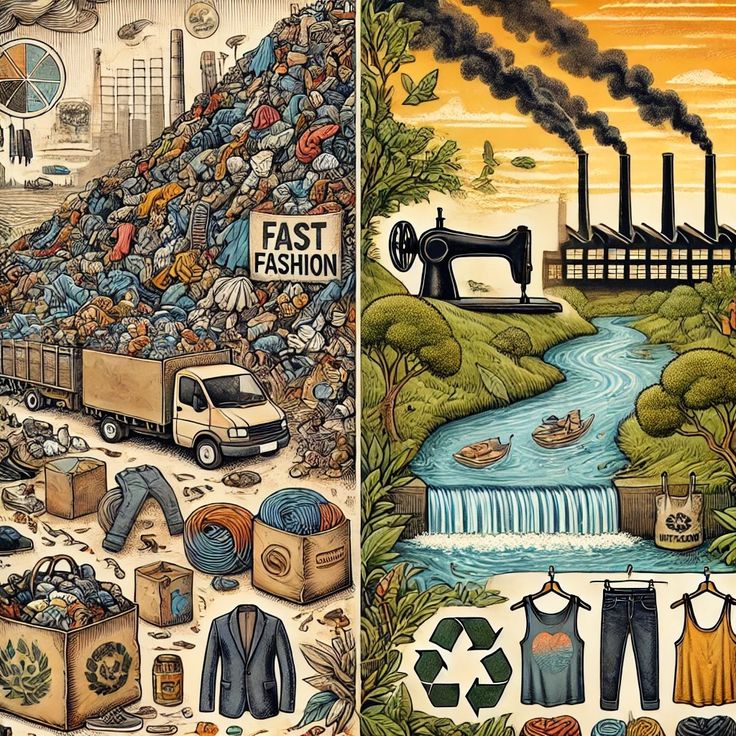
Fast fashion has transformed the global clothing industry by making trendy apparel affordable and accessible to millions of consumers. Major brands release new collections every few weeks, encouraging people to purchase more clothing at lower prices. While this business model has fueled economic growth and consumer convenience, it has also created hidden costs that affect workers, governments, industries, and the environment worldwide.
Behind inexpensive clothing lies a complex global supply chain built on low wages, mass production, environmental exploitation, and unsustainable consumption. The true cost of fast fashion extends far beyond the price tag seen in stores. Its impact is deeply connected to labor markets, trade systems, public health, and economic stability across developing and developed nations alike.
Understanding Fast Fashion
Fast fashion refers to the rapid production of inexpensive clothing inspired by current fashion trends. Retailers design, manufacture, and distribute garments at remarkable speed to meet ever-changing consumer demand.
This model depends on:
- Cheap labor
- Low production costs
- High consumer turnover
- Global outsourcing
- Mass manufacturing
Countries with lower labor costs often become manufacturing hubs for global fashion brands. While this creates employment opportunities, it frequently results in poor working conditions and economic inequality.
The Economic Burden on Developing Countries
Many developing nations rely heavily on textile and garment exports. Countries such as Bangladesh, Vietnam, and Pakistan have built significant portions of their economies around garment manufacturing.
Although fast fashion creates jobs, the economic benefits are often unevenly distributed.
Low Wages and Worker Exploitation
Factory workers are frequently paid extremely low wages despite long working hours. Many workers struggle to meet basic living expenses, limiting economic mobility and keeping communities trapped in cycles of poverty.
The pressure to keep prices low also discourages investment in workplace safety, healthcare, and fair labor practices. As a result, governments may face increased social welfare burdens due to poor labor conditions.
Dependency on Foreign Brands
Developing countries often become economically dependent on contracts from multinational fashion companies. If global demand shifts or brands move production elsewhere for cheaper labor, local economies can suffer sudden unemployment and financial instability.
This dependency weakens long-term economic resilience and limits opportunities for industrial diversification.
Environmental Damage and Economic Losses
The environmental impact of fast fashion creates major economic consequences that are often overlooked.
Water Pollution and Resource Waste
Textile dyeing and fabric processing release harmful chemicals into rivers and water systems. Contaminated water affects agriculture, fishing industries, and public health, forcing governments to spend billions on environmental cleanup and healthcare services.
The fashion industry also consumes enormous amounts of water. Cotton farming alone requires vast resources, contributing to water shortages in vulnerable regions.
Waste Management Costs
Consumers discard clothing at unprecedented rates due to constantly changing trends and low product quality. Millions of tons of textile waste end up in landfills every year.
Municipal governments bear the financial burden of waste collection, recycling programs, and landfill management. Many countries lack proper textile recycling infrastructure, increasing environmental and economic strain.
Impact on Local Businesses and Traditional Industries
Fast fashion has disrupted local textile industries and small clothing businesses worldwide.
Traditional artisans and local manufacturers often cannot compete with the low prices offered by global retail chains. As consumers prioritize affordability over craftsmanship, many local businesses lose market share or shut down entirely.
This decline affects cultural industries, reduces entrepreneurship opportunities, and weakens domestic economic ecosystems.
In some regions, imported secondhand clothing from wealthy nations further damages local garment industries by flooding markets with ultra-cheap products.
The Role of Consumer Behavior
Consumer demand plays a central role in sustaining fast fashion. Social media trends, influencer culture, and online shopping encourage impulse buying and excessive consumption.
Many consumers purchase clothing not out of necessity but for short-term use. This “wear once and discard” culture increases production demands and intensifies pressure on global supply chains.
While low prices may benefit consumers temporarily, the broader economic costs eventually affect society through taxes, environmental damage, and labor exploitation.
Hidden Healthcare and Social Costs
The fast fashion industry also contributes to public health issues.
Factory workers may face exposure to toxic chemicals, unsafe machinery, and poor ventilation. Long-term health problems increase healthcare costs for governments and families.
Environmental pollution from textile factories can also affect nearby communities, leading to respiratory illnesses, contaminated water supplies, and reduced quality of life.
These social costs are rarely reflected in the final retail price of clothing.
Can Sustainable Fashion Help?
Sustainable fashion aims to reduce the negative economic and environmental effects of the clothing industry. Ethical production methods focus on fair wages, environmentally responsible materials, and longer-lasting garments.
Although sustainable clothing may appear more expensive initially, it often provides better long-term value by reducing waste and supporting healthier economic systems.
Governments, businesses, and consumers all play important roles in encouraging sustainable practices through:
- Ethical sourcing policies
- Strong labor regulations
- Recycling initiatives
- Consumer awareness campaigns
- Investment in eco-friendly technologies
A shift toward sustainability could help create a more balanced global economy while protecting workers and natural resources.
The Future of the Fashion Industry
The future of fashion will likely depend on how effectively the industry addresses its hidden costs. Consumers are becoming more aware of ethical and environmental concerns, pushing brands toward greater transparency and accountability.
Technological innovation, circular fashion systems, and stricter international labor standards may reshape the industry over time. However, meaningful change requires cooperation among governments, corporations, and consumers.
Without reform, the economic burden of fast fashion may continue to grow, affecting global stability, public resources, and future generations.
FAQs
What is fast fashion?
Fast fashion is a business model that produces inexpensive clothing quickly to match current fashion trends. It focuses on rapid production and high consumer turnover.
Why is fast fashion harmful to the economy?
Fast fashion can harm economies through worker exploitation, environmental damage, waste management costs, and the decline of local industries. Many hidden costs are transferred to governments and communities.
Which countries are most affected by fast fashion?
Developing countries involved in garment manufacturing, including Bangladesh, India, Pakistan, and Vietnam, are heavily affected due to labor-intensive production systems.
How does fast fashion affect the environment?
The industry contributes to water pollution, textile waste, carbon emissions, and excessive resource consumption. Textile factories often release harmful chemicals into the environment.
What is sustainable fashion?
Sustainable fashion promotes environmentally friendly production, fair labor practices, durable clothing, and reduced waste throughout the supply chain.
Can consumers reduce the impact of fast fashion?
Yes. Consumers can reduce the impact by buying fewer but higher-quality clothes, supporting ethical brands, recycling garments, and avoiding unnecessary purchases.
Are fast fashion brands becoming more sustainable?
Some brands are adopting sustainability initiatives, but critics argue that many efforts remain limited or primarily marketing-driven. Greater transparency and regulation are still needed.
Conclusion
Fast fashion may offer convenience and affordability, but its hidden economic costs are significant. From labor exploitation and environmental destruction to waste management and weakened local industries, the consequences extend far beyond retail stores.
Addressing these challenges requires a global commitment to ethical production, responsible consumption, and sustainable economic policies. As awareness grows, both consumers and businesses have the opportunity to reshape the fashion industry into one that values long-term prosperity over short-term profits.