
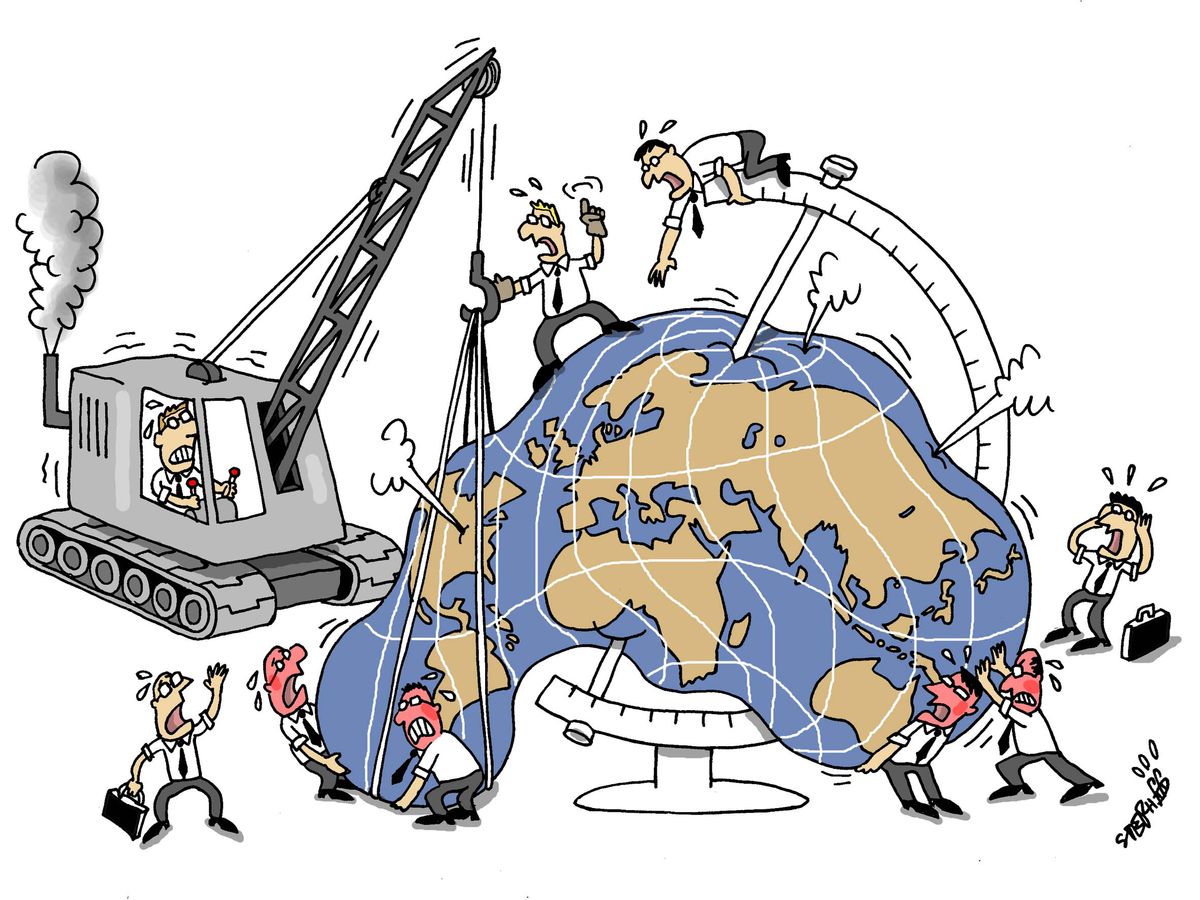
Inflation has always been a part of economic cycles, but in recent years the world has experienced an unusually sharp and widespread surge in prices. From groceries and fuel to housing and healthcare, the rising cost of living has affected nearly every country, creating what many economists describe as a global inflation crisis. This phenomenon is not confined to a single region—it is interconnected, complex, and driven by multiple overlapping factors.
Understanding the roots of this crisis, its far-reaching consequences, and the possible solutions is essential for governments, businesses, and individuals trying to navigate an uncertain economic landscape.
What Is Inflation?
Inflation refers to the general increase in prices of goods and services over time, which reduces the purchasing power of money. A moderate level of inflation is considered normal in a growing economy, but when inflation rises rapidly or remains persistently high, it becomes problematic.
Central banks usually aim to maintain inflation at a stable and predictable rate. However, recent global events have pushed inflation far beyond target levels in many countries.
Causes of the Global Inflation Crisis
Supply Chain Disruptions
One of the primary triggers of recent inflation has been disruptions in global supply chains. Events like pandemics, geopolitical tensions, and transportation bottlenecks slowed down production and delivery of goods. When supply cannot meet demand, prices naturally rise.
For example, shortages of raw materials and delays in shipping caused the cost of manufacturing and distribution to increase significantly.
Energy Price Shocks
Energy plays a critical role in the global economy. When oil and gas prices surge, the cost of production, transportation, and even food rises. Recent geopolitical conflicts and reduced energy supplies have pushed fuel prices higher, contributing directly to inflation.
Expansionary Monetary Policies
During economic crises, many central banks inject money into the economy to stimulate growth. While this helps in the short term, excessive money supply without corresponding economic output can lead to inflation.
Low interest rates and large-scale stimulus packages increased consumer spending power, but in many cases, supply could not keep up with the surge in demand.
Fiscal Stimulus and Government Spending
Governments around the world introduced large fiscal packages to support households and businesses. While necessary to prevent economic collapse, these measures also increased demand for goods and services, further driving up prices.
Labor Market Imbalances
In some economies, labor shortages have pushed wages higher. While higher wages benefit workers, they also increase production costs for businesses, which are often passed on to consumers in the form of higher prices.
Currency Depreciation
Countries experiencing weaker currencies face higher import costs. Since many nations rely on imported goods, a decline in currency value can quickly translate into domestic inflation.
Consequences of Rising Inflation
Decline in Purchasing Power
Perhaps the most immediate effect of inflation is the reduction in purchasing power. Consumers find that their income buys less than before, leading to a decline in living standards.
Increased Cost of Living
Essential items such as food, housing, and transportation become more expensive. This disproportionately affects low- and middle-income households, who spend a larger portion of their income on necessities.
Economic Uncertainty
High inflation creates uncertainty for businesses and investors. Planning becomes difficult when costs and prices fluctuate unpredictably, which can slow down investment and economic growth.
Interest Rate Hikes
To control inflation, central banks often raise interest rates. While this can help stabilize prices, it also makes borrowing more expensive, affecting mortgages, business loans, and consumer credit.
Impact on Savings and Investments
Inflation erodes the value of savings over time. If interest rates on savings accounts do not keep pace with inflation, individuals effectively lose money in real terms.
Social and Political Tensions
Persistent inflation can lead to dissatisfaction among citizens, increasing the risk of protests and political instability. Governments may face pressure to implement quick fixes, which are not always sustainable.
Global vs. Local Dimensions of Inflation
Although inflation is a global issue, its impact varies by country. Developed economies may have stronger tools to control inflation, such as robust monetary policies and financial systems. In contrast, developing countries often face more severe consequences due to limited resources, weaker currencies, and higher dependence on imports.
Additionally, global interconnectedness means that inflation in one region can influence others through trade, investment flows, and currency movements.
Possible Solutions to the Inflation Crisis
Monetary Policy Tightening
Central banks can reduce inflation by increasing interest rates and limiting money supply. While effective, this approach must be carefully balanced to avoid triggering a recession.
Strengthening Supply Chains
Improving logistics, diversifying supply sources, and investing in local production can reduce dependency on fragile global supply chains.
Energy Diversification
Investing in renewable energy and alternative sources can reduce reliance on volatile fossil fuel markets, helping stabilize energy costs in the long run.
Fiscal Discipline
Governments need to balance spending with revenue to avoid excessive deficits. Targeted subsidies, rather than broad stimulus, can help support vulnerable populations without overheating the economy.
Encouraging Productivity and Innovation
Boosting productivity through technology and innovation can increase supply and offset inflationary pressures. Efficient production methods reduce costs and help stabilize prices.
International Cooperation
Since inflation is a global issue, coordinated efforts among countries—such as trade agreements and policy alignment—can help mitigate its effects.
The Role of Individuals and Businesses
While governments and central banks play a major role, individuals and businesses also need to adapt. Households may need to budget more carefully, prioritize essential spending, and explore ways to protect their savings. Businesses, on the other hand, must manage costs, optimize operations, and adjust pricing strategies responsibly.
Future Outlook
The future of global inflation remains uncertain. While some factors causing inflation may ease over time, others—such as geopolitical tensions and climate-related disruptions—could continue to exert pressure on prices.
Experts suggest that inflation may gradually decline, but it is unlikely to return to pre-crisis levels quickly. Long-term structural changes in the global economy will likely shape inflation trends in the years ahead.
FAQs
What is the main cause of global inflation today?
There is no single cause. The current inflation crisis is driven by a combination of supply chain disruptions, energy price increases, expansionary monetary policies, and strong post-crisis demand.
Is inflation always bad?
Not necessarily. Moderate inflation is a sign of a growing economy. However, high or unpredictable inflation can harm economic stability and reduce living standards.
How do central banks control inflation?
Central banks primarily use interest rates and monetary policy tools. By raising interest rates, they reduce borrowing and spending, which helps bring down inflation.
Who is most affected by inflation?
Low- and middle-income households are typically the most affected because they spend a larger share of their income on essential goods and services.
Can inflation be completely eliminated?
No, inflation cannot be completely eliminated, nor should it be. The goal is to keep it at a stable and manageable level.
How long will the inflation crisis last?
The duration depends on multiple factors, including global economic conditions, policy responses, and geopolitical developments. It may take several years for inflation to stabilize fully.
What can individuals do to cope with inflation?
People can manage inflation by budgeting carefully, reducing unnecessary expenses, investing wisely, and seeking additional income sources where possible.
Conclusion
The global inflation crisis is a multifaceted challenge that reflects the interconnected nature of today’s world economy. While its causes are complex, understanding them provides a pathway toward effective solutions. Through coordinated policy actions, structural reforms, and adaptive strategies, it is possible to manage inflation and restore economic stability.
Ultimately, addressing inflation is not just about controlling prices—it is about ensuring sustainable growth, economic resilience, and improved quality of life for people around the world.