
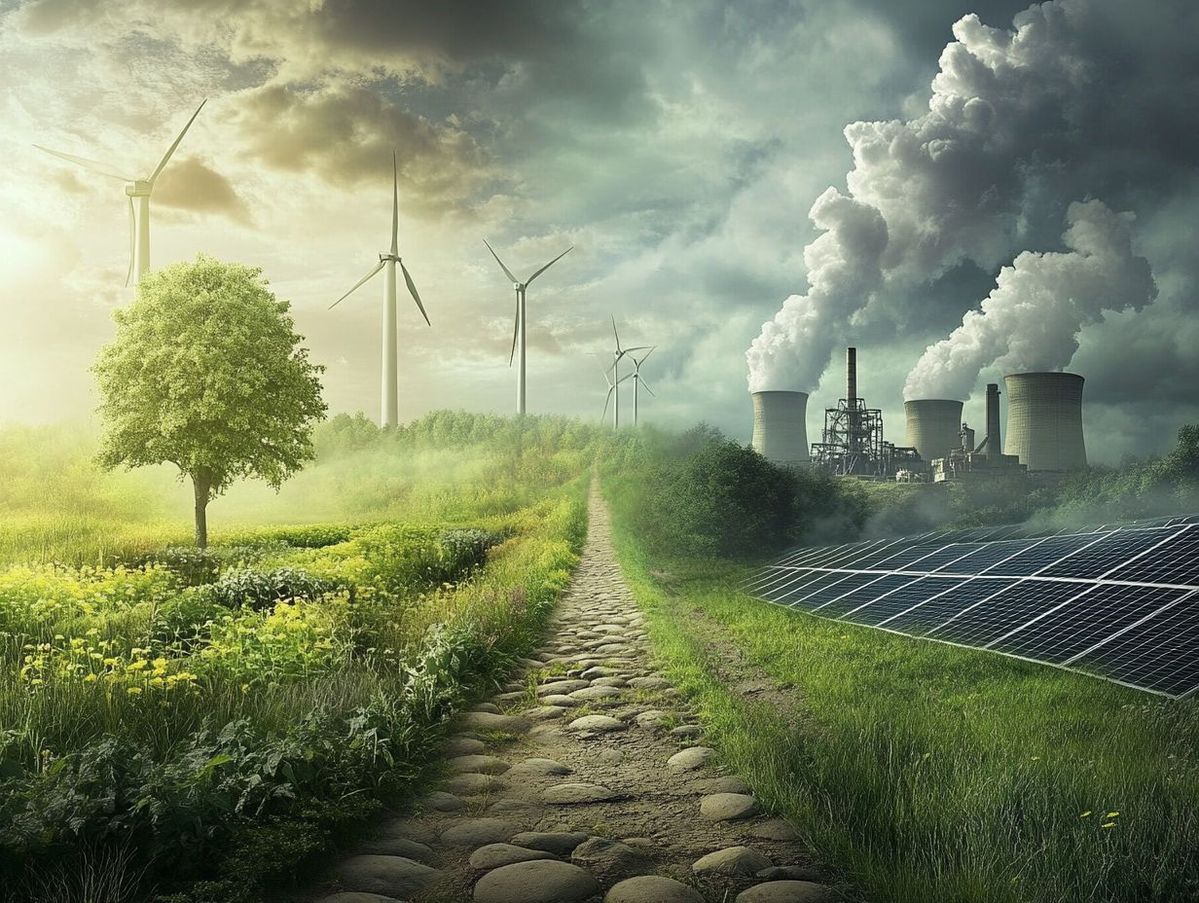
The global energy industry is undergoing one of the biggest transformations in modern history. For more than a century, fossil fuels such as coal, oil, and natural gas have powered industries, transportation, and households across the world. However, rising environmental concerns, climate change, and technological advancements have pushed renewable energy into the spotlight.
Today, the debate between renewable energy and fossil fuels is not just about electricity generation. It is about economics, environmental sustainability, energy security, and the future of the planet. Governments, businesses, and consumers are all part of this ongoing battle as the world searches for cleaner and more efficient energy solutions.
Understanding Fossil Fuels
Fossil fuels are natural energy resources formed from ancient plants and animals buried beneath the Earth’s surface for millions of years. The three major types are coal, oil, and natural gas.
For decades, fossil fuels have remained the backbone of industrial development because they provide reliable and high-density energy. Transportation systems, factories, and power plants heavily depend on them.
Advantages of Fossil Fuels
Fossil fuels have several strengths that made them dominant for generations:
- They provide continuous and stable energy.
- Existing infrastructure already supports their use.
- They are relatively easy to transport and store.
- Industries worldwide are designed around fossil fuel systems.
Despite these benefits, fossil fuels come with serious drawbacks that are becoming harder to ignore.
Environmental Impact of Fossil Fuels
Burning fossil fuels releases large amounts of carbon dioxide and other greenhouse gases into the atmosphere. These emissions contribute directly to global warming and climate change.
In addition, fossil fuel extraction can damage ecosystems through mining, drilling, and oil spills. Air pollution caused by coal and oil combustion also leads to health problems, including respiratory diseases and heart conditions.
As global temperatures rise, many countries are under pressure to reduce their dependence on fossil fuels and invest in cleaner alternatives.
What Is Renewable Energy?
Renewable energy comes from natural sources that replenish themselves over time. Unlike fossil fuels, these energy sources do not run out quickly and produce significantly lower carbon emissions.
The most common forms of renewable energy include:
- Solar energy
- Wind energy
- Hydropower
- Geothermal energy
- Biomass energy
Renewable technologies have improved rapidly over the last two decades, making them more affordable and accessible than ever before.
Benefits of Renewable Energy
Renewable energy offers several major advantages for the environment and the economy.
Reduced Carbon Emissions
Renewable sources generate electricity with minimal greenhouse gas emissions. This helps slow climate change and improves air quality.
Sustainable Energy Supply
Sunlight, wind, and water are naturally replenished resources. This means renewable energy can provide long-term sustainability without exhausting the planet’s reserves.
Job Creation
The renewable energy sector has created millions of jobs worldwide. Solar panel installation, wind turbine manufacturing, and clean energy research are rapidly expanding industries.
Energy Independence
Countries investing in renewables can reduce dependence on imported oil and gas, improving national energy security.
The Economic Battle
One of the biggest arguments in the renewable energy debate is cost.
For many years, fossil fuels were considered cheaper because the infrastructure already existed. However, renewable energy costs have dropped dramatically. Solar panels and wind turbines are now more affordable, and technological innovation continues to reduce operational expenses.
In many regions, renewable energy is becoming competitive with traditional fossil fuels. Governments are also offering incentives and subsidies to accelerate clean energy adoption.
Still, fossil fuels continue to dominate global markets due to existing investments, political influence, and reliable energy output.
Reliability and Energy Storage Challenges
Fossil fuels provide consistent power generation because coal and gas plants can operate around the clock. Renewable energy, however, depends on natural conditions such as sunlight and wind.
This creates a challenge known as intermittency. Solar panels do not generate electricity at night, and wind turbines require sufficient wind speeds.
Energy storage systems, especially advanced batteries, are becoming critical in solving this problem. As battery technology improves, renewable energy systems are expected to become more stable and reliable.
Government Policies and Global Commitments
Governments play a major role in shaping the energy future. Many countries have introduced climate policies, carbon taxes, and renewable energy targets to reduce emissions.
International agreements such as the Paris Climate Agreement encourage nations to transition toward cleaner energy systems. Large corporations are also investing heavily in sustainability initiatives to meet environmental goals and consumer expectations.
However, some countries still rely heavily on fossil fuel exports and infrastructure, making the transition more complicated.
The Future of Energy
The future energy landscape will likely include a combination of renewable energy and fossil fuels during the transition period. While fossil fuels are unlikely to disappear overnight, renewable energy is expected to grow significantly in the coming decades.
Technological innovation, stronger climate policies, and public awareness are accelerating the shift toward cleaner energy. Electric vehicles, smart grids, and energy-efficient technologies are further supporting this transformation.
The real challenge lies in balancing economic growth, energy demand, and environmental protection while ensuring affordable energy access for all.
Frequently Asked Questions (FAQs)
What is the main difference between renewable energy and fossil fuels?
Renewable energy comes from naturally replenishing resources like sunlight, wind, and water, while fossil fuels are finite resources formed over millions of years from organic matter.
Why are fossil fuels harmful to the environment?
Fossil fuels release greenhouse gases and pollutants when burned, contributing to climate change, air pollution, and environmental degradation.
Is renewable energy cheaper than fossil fuels?
In many regions, renewable energy sources such as solar and wind are becoming cheaper due to technological advancements and lower operating costs.
Can renewable energy completely replace fossil fuels?
Renewable energy has the potential to replace a large portion of fossil fuel use, but challenges such as energy storage, infrastructure, and grid reliability still need to be addressed.
Which renewable energy source is most popular?
Solar and wind energy are currently among the fastest-growing and most widely adopted renewable energy sources worldwide.
How do renewable energy sources help the economy?
Renewable energy creates jobs, reduces fuel import costs, encourages innovation, and supports sustainable economic growth.
Why is the transition to renewable energy taking time?
The transition requires major investments in infrastructure, technology, policy changes, and energy storage systems. Existing fossil fuel industries also remain deeply integrated into the global economy.
Conclusion
The battle between renewable energy and fossil fuels represents a defining issue of the 21st century. Fossil fuels have powered human progress for generations, but their environmental impact has forced the world to reconsider its energy choices.
Renewable energy offers a cleaner, more sustainable future with lower emissions and long-term economic benefits. Although challenges remain, advancements in technology and global commitment to climate action continue to strengthen the renewable energy movement.
As the world moves forward, the energy decisions made today will shape the health of the planet and future generations for decades to come.