

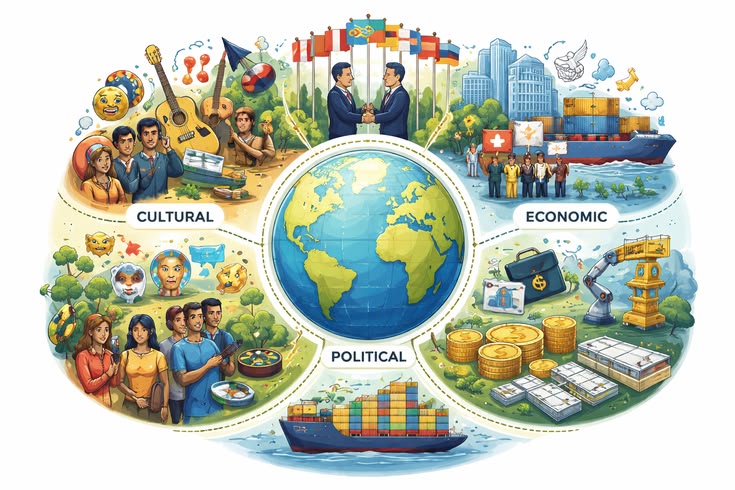
Pandemics have repeatedly altered the course of human history. Beyond causing widespread illness and loss of life, they influence economies, political systems, healthcare structures, education, technology, and social behavior. From historical outbreaks such as the Black Death and the Spanish Flu to modern crises like the COVID-19 pandemic, global health emergencies have forced societies to adapt in profound ways.
Pandemics expose weaknesses in existing systems while also accelerating innovation and reform. They reshape how governments operate, how businesses function, and how individuals interact with one another. In an increasingly interconnected world, the effects of a pandemic are no longer limited to one region; they quickly spread across borders, influencing nearly every aspect of modern life.
Historical Perspective on Pandemics
Throughout history, pandemics have transformed civilizations. The Black Death in the 14th century reduced populations across Europe, Asia, and parts of Africa, leading to labor shortages and major economic changes. The outbreak weakened feudal systems and contributed to shifts in social and political structures.
The 1918 Spanish Flu infected millions worldwide and highlighted the importance of public health systems. It influenced future healthcare policies and increased awareness of disease prevention.
Modern pandemics occur in a world connected by global travel, digital communication, and international trade. As a result, their impact spreads faster and reaches deeper into global systems than ever before.
Impact on Healthcare Systems
Pressure on Medical Infrastructure
Pandemics place enormous strain on hospitals, healthcare workers, and medical supply chains. During large outbreaks, healthcare systems may struggle with shortages of beds, medicines, protective equipment, and trained personnel.
The COVID-19 pandemic demonstrated how even advanced healthcare systems could become overwhelmed under sudden pressure.
Advances in Medical Innovation
Health crises often accelerate scientific research and technological development. Vaccines, antiviral treatments, diagnostic testing, and telemedicine services have advanced rapidly during recent pandemics.
Artificial intelligence and digital health technologies are also increasingly used to monitor disease spread and improve healthcare delivery.
Greater Focus on Public Health
Pandemics encourage governments to invest more heavily in public health infrastructure, disease surveillance, and emergency preparedness. Public awareness regarding hygiene, vaccination, and mental health also tends to increase.
Economic Transformation
Global Economic Disruption
Pandemics can severely disrupt economies by affecting production, trade, tourism, and consumer spending. Lockdowns and travel restrictions often lead to business closures and unemployment.
Small businesses are usually among the most vulnerable, while industries such as hospitality, aviation, and entertainment frequently experience major financial losses.
Acceleration of Digital Economies
One of the most significant changes during recent pandemics has been the rapid growth of digital services. Remote work, e-commerce, online education, and digital banking expanded dramatically during periods of social distancing.
Businesses that adapted quickly to digital technologies were often better able to survive economic uncertainty.
Changes in Labor Markets
Pandemics also reshape employment trends. Remote and hybrid work models became more common after COVID-19, permanently changing workplace culture in many sectors.
At the same time, automation and artificial intelligence gained importance as businesses sought to reduce dependence on physical labor and maintain productivity during disruptions.
Social and Cultural Changes
Shifts in Human Interaction
Pandemics influence how people socialize, communicate, and build relationships. Social distancing measures and quarantine policies reduce physical interaction and increase reliance on digital communication platforms.
Virtual meetings, online events, and remote collaboration became central parts of daily life during global lockdowns.
Mental Health Challenges
Isolation, uncertainty, and financial stress during pandemics can significantly affect mental health. Anxiety, depression, and emotional burnout often increase during prolonged crises.
As a result, mental health awareness and support services have become more important in public policy discussions.
Changes in Education
Educational institutions around the world were forced to adopt online learning systems during recent pandemics. While digital education increased accessibility for some students, it also revealed inequalities related to internet access and technological resources.
The future of education may involve more flexible learning models that combine traditional classrooms with digital platforms.
Political and Governmental Impact
Expansion of Government Powers
During pandemics, governments often introduce emergency measures such as lockdowns, border controls, and surveillance systems to manage public health risks.
While these measures may help control disease spread, they can also raise concerns about civil liberties, privacy, and government overreach.
International Cooperation and Conflict
Global health crises require international cooperation in areas such as vaccine distribution, scientific research, and information sharing. However, pandemics can also increase geopolitical tensions, competition for resources, and disagreements over public health strategies.
The effectiveness of global organizations is often closely examined during these periods.
Technology and Innovation
Pandemics frequently accelerate technological innovation. Digital communication tools, cloud computing, artificial intelligence, and automation technologies gained widespread adoption during recent health crises.
Contactless payments, food delivery applications, and telemedicine became essential services in many societies. Companies and governments also invested more heavily in cybersecurity and digital infrastructure.
These technological shifts are likely to remain influential even after pandemics end.
Environmental Effects
Pandemics can temporarily affect environmental conditions. Reduced travel and industrial activity during lockdowns often lead to lower air pollution and greenhouse gas emissions.
However, increased medical waste and disposable protective equipment can create environmental challenges. Long-term environmental impact depends on how societies rebuild and adapt after a crisis.
Lessons for the Future
Pandemics reveal the importance of resilience, preparedness, and global cooperation. Countries with strong healthcare systems, effective communication strategies, and adaptable economies are often better equipped to manage crises.
Future preparedness may require investments in public health research, emergency planning, digital infrastructure, and international collaboration. Societies must also address social inequalities that become more visible during health emergencies.
The experience of recent pandemics has shown that global crises can reshape priorities and encourage long-term institutional change.
FAQs
What is a pandemic?
A pandemic is the worldwide spread of a contagious disease that affects large populations across multiple countries or continents.
How do pandemics affect the global economy?
Pandemics disrupt trade, tourism, employment, and production. They can lead to recessions, business closures, and major shifts in economic activity.
Why do pandemics accelerate technological change?
Health crises increase the need for remote communication, digital services, automation, and medical innovation, encouraging faster technological adoption.
How do pandemics impact mental health?
Isolation, uncertainty, financial stress, and fear during pandemics can increase anxiety, depression, and emotional stress among individuals and communities.
What role do governments play during pandemics?
Governments manage public health responses through policies such as lockdowns, vaccination programs, healthcare funding, and emergency regulations.
How did COVID-19 change workplaces?
The pandemic popularized remote and hybrid work models, increased digital collaboration, and accelerated workplace automation.
Can pandemics influence education systems?
Yes. Pandemics often force schools and universities to adopt online learning methods and flexible educational technologies.
Why is international cooperation important during pandemics?
Global cooperation helps countries share medical resources, scientific research, vaccines, and public health information more effectively.
What are some positive outcomes of pandemics?
Positive outcomes may include medical advancements, improved healthcare systems, technological innovation, and greater public awareness of health issues.
How can societies prepare for future pandemics?
Preparation includes strengthening healthcare systems, investing in research, improving emergency response plans, and promoting global collaboration.